




By using our website, you agree to the use of cookies as described in our Cookie Policy
Should You Use Soft Water to Wash Your Airplane Exterior?
Most pilots think washing an aircraft is straightforward. Spray, scrub, rinse. But the water itself matters more than most realize — and if you're using the wrong kind, you're setting yourself up for spotting, streaking, and long-term finish damage. Hard water leaves minerals behind. Soft water doesn't. That difference shows up every time you dry off the fuselage.
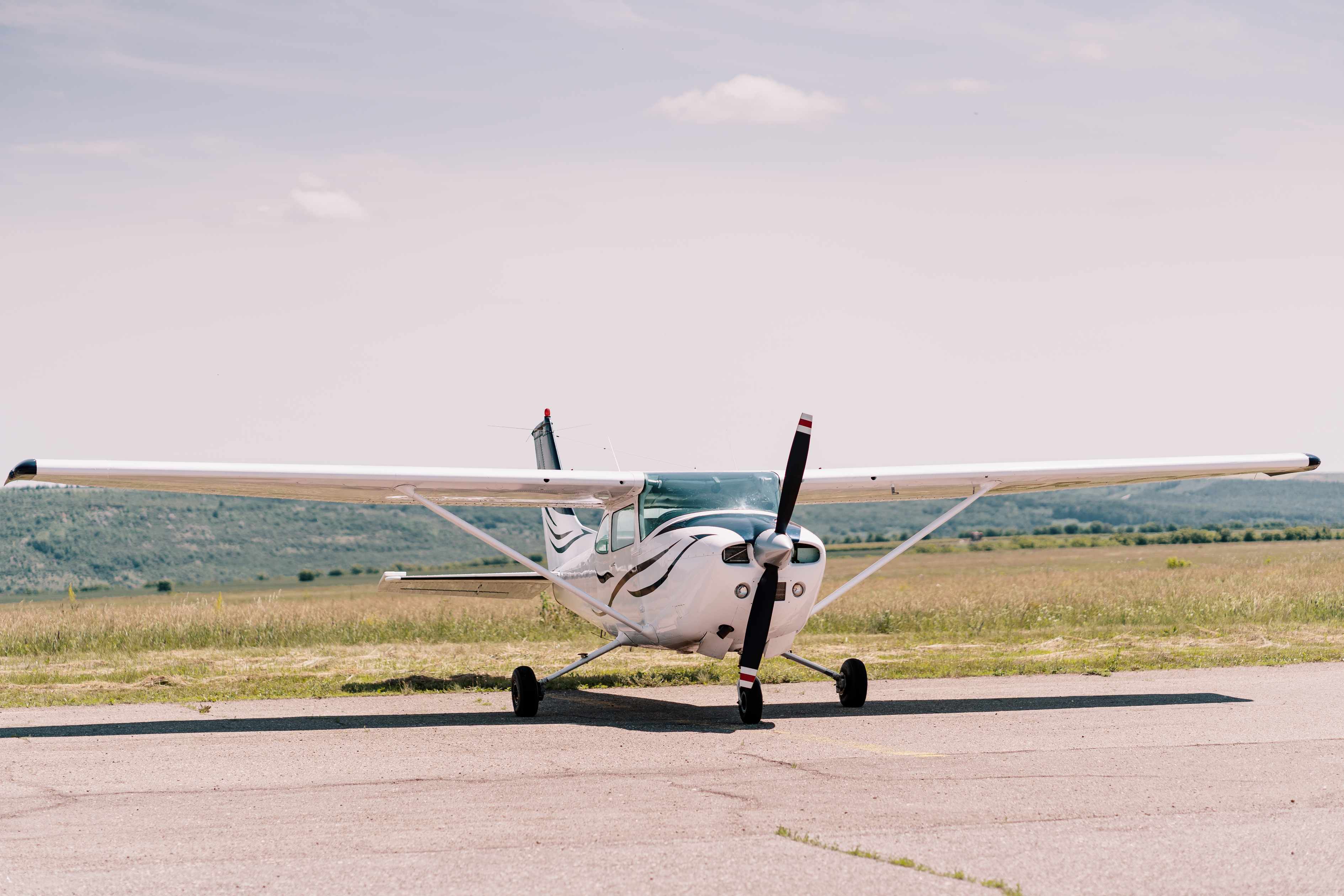
So here's what we know. If you're serious about preserving paint and protecting metal, the type of water hitting your aircraft isn't a minor detail. It's the foundation of every wash. Get it right, and the surface stays cleaner longer. Get it wrong, and you're fighting deposits that build up faster than you can buff them out.
Hard Water Leaves More Than Just Spots
Hard water is loaded with calcium and magnesium. Those minerals don't evaporate — they crystallize. That's what creates the white film you see after a rinse, especially in direct sunlight. Over time, those deposits don't just sit on the surface. They bond with the clear coat and can etch into the paint if left unchecked.
Soft water skips that problem entirely. It's been treated to strip out those minerals, replacing them with sodium or potassium ions. The result? Water that rinses clean and dries without a trace. No chalky buildup. No streaks running down the tail. Just a smooth, even finish that looks like it was polished, not just hosed down.
Why Soft Water Works Better for Aircraft Surfaces
We've washed enough planes to know what separates a clean aircraft from one that looks clean until the sun hits it. Soft water gives you a real advantage, and it's not just about aesthetics. It protects the underlying materials and makes the entire process more efficient.
Here's where soft water delivers:
- No mineral deposits mean no post-wash spotting or streaking
- Paint and protective coatings last longer without abrasive buildup
- Soap lathers faster and rinses cleaner, cutting down on residue
- You use less detergent to get the same scrubbing power
- Drying is quicker because the water sheets off instead of beading with minerals
Sodium Content Is Real But Overblown
Soft water does introduce sodium during the ion exchange process. That's how the minerals get removed. Some people worry that sodium could accelerate corrosion on aluminum or other metals. It's a fair concern — but it's also one that's been tested and largely debunked in real-world aviation environments.
The sodium levels in treated soft water are low. Far lower than what you'd encounter from saltwater exposure, rain runoff, or even humidity in coastal climates. As long as you're rinsing thoroughly and drying the aircraft properly, the risk is minimal. Compare that to the guaranteed damage hard water causes with repeated mineral buildup, and the trade-off is clear.
Access and Cost Can Be the Real Barrier
Not every hangar has soft water on tap. Some airports don't have the infrastructure. Others do, but charge extra for it. If you're washing at home or a private strip, you might need to invest in a portable water softener or haul treated water from another source.
That adds time and expense. But if you're maintaining a high-value aircraft or trying to protect a custom paint job, the investment pays off. The alternative is spending hours buffing out water spots or repainting sections that could have been protected from the start.
What Happens When You Skip Soft Water
Using hard water isn't the end of the world — until it is. The first few washes might not show much. But over months and years, the damage compounds. Mineral deposits build up in seams, around rivets, and along panel edges. Those areas become harder to clean and more prone to corrosion.
Here's what hard water does over time:
- Creates a hazy film that dulls the shine of the paint
- Leaves streaks that require buffing or polishing to remove
- Bonds with soap scum, making rinses less effective
- Increases the frequency of detailing and waxing to maintain appearance
- Accelerates wear on clear coats and protective layers
Washing Technique Still Matters More Than Water Type
Soft water gives you an edge, but it's not a magic fix. If you're scrubbing with dirty towels, using the wrong soap, or skipping the rinse, you'll still end up with a mess. The water is just one part of a larger process that needs to be executed correctly.
We've seen plenty of aircraft washed with soft water that still looked rough because the technique was sloppy. And we've seen planes washed with hard water that looked decent because the owner took the time to dry properly and follow up with a detail. The water matters — but so does everything else.
What Should Be in Your Wash Kit
Whether you're using soft or hard water, your approach should be the same. You need the right tools, the right products, and a system that works every time. That means thinking through each step before you start spraying.
Here's what we recommend:
- Aviation-approved cleaners that won't strip wax or damage decals
- Microfiber towels or chamois that won't scratch the surface
- A hose with adjustable pressure to control the rinse
- A squeegee or air dryer for windows and tight spots
- Separate buckets for soap and rinse water to avoid cross-contamination
Inspecting After Every Wash Saves Headaches Later
Once the aircraft is dry, walk it. Look for spots you missed, streaks that didn't rinse out, or areas where water pooled and left residue. This is also the time to check for corrosion, loose fasteners, or paint chips that need attention before they turn into bigger problems.
We treat every wash as an inspection opportunity. It's one of the easiest ways to catch maintenance issues early, especially in hard-to-reach areas that don't get checked during preflight. If you're already running your hands over the surface, you might as well be looking for trouble.
Environmental Regs Can Limit Your Options
Some regions have restrictions on water use, runoff, and the disposal of treated water. If you're using a softener system, check local rules before you set up. Sodium discharge into storm drains or natural waterways can trigger fines or force you to install filtration systems.
This is especially true at shared facilities where multiple aircraft are being washed in the same area. The cumulative impact matters, and airport management may have policies in place that override your personal preferences. Know the rules before you commit to a system.
When Soft Water Becomes Non-Negotiable
If you're flying in areas with extremely hard water — think desert regions, limestone-heavy zones, or places with high mineral content in the municipal supply — soft water stops being optional. The buildup happens too fast, and the damage is too visible to ignore.
Here's when we'd never skip soft water:
- Washing aircraft with custom or high-gloss paint finishes
- Maintaining planes in dry climates where evaporation happens fast
- Working with polished aluminum that shows every water spot
- Prepping aircraft for sale or display where appearance is critical
- Cleaning after flights through industrial or agricultural areas with heavy residue
DIY Softeners Work If You Know What You're Doing
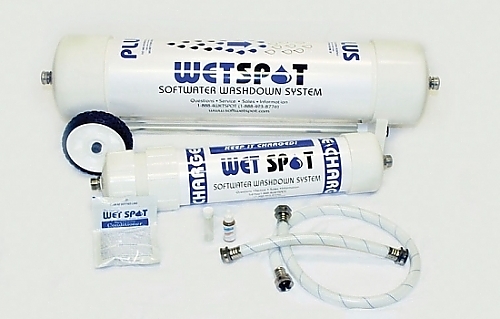
You don't need a full-scale commercial system to get soft water. Portable units exist, and they're affordable enough for most owners. The key is understanding how they work and maintaining them properly so they don't become another headache.
Most use resin beads to trap minerals and release sodium. You'll need to regenerate the system with salt periodically, and you'll want to test the output to make sure it's actually soft. A cheap TDS meter will tell you if the unit is working or if it's time for maintenance.
The Verdict from the Tarmac
Soft water isn't required to keep an aircraft clean, but it makes the job easier and the results better. If you have access to it, use it. If you don't, adjust your technique to compensate — dry faster, detail more often, and stay on top of mineral buildup before it becomes permanent. At Mistic Marine, we understand that maintaining your vessel requires attention to detail and quality marine services, whether it's routine cleaning or specialized maintenance. For boat owners seeking marine equipment and inventory to support their care routines, we offer a range of solutions. If you're looking for replacement parts to keep your vessel in top condition, our team can help you locate what you need. Beyond equipment, our warranty programs provide peace of mind for your investment. To learn more about our company and our commitment to marine care, or to request a quote for your specific needs, reach out today. Either way, the water you choose matters less than the consistency you bring to every wash. Get that right, and the plane stays sharp no matter what's coming out of the hose.
Let’s Keep Your Aircraft Looking Its Best
We know how much pride you take in your aircraft’s appearance and longevity. If you want to make sure every wash protects your investment and keeps your plane looking sharp, let’s talk about how we can help. Contact us today to get expert advice and support for all your aircraft cleaning and maintenance needs.
‹ Back
Recent Posts
-
What Causes White Mineral Buildup on Boat Fixtures?
July 10, 2026
-
-
-
-
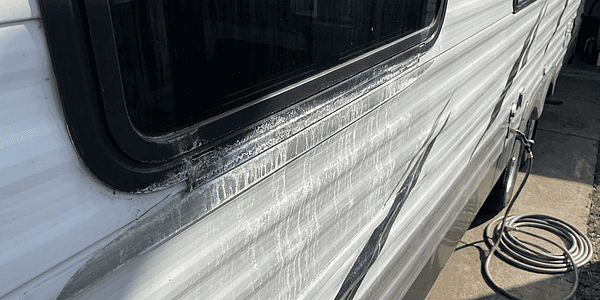
Is Hard Water on Your RV Leaving White Stains Behind?
April 24, 2026