




By using our website, you agree to the use of cookies as described in our Cookie Policy
Do Mineral Deposits on Your Truck Make Washing Harder?
Most truck owners think water spots are just cosmetic. Something you wipe off and forget about. But mineral deposits don't just sit there looking ugly — they bond to your paint, etch into your glass, and turn a simple wash into a serious headache. If you've ever scrubbed the same spot three times and still seen streaks, you already know the problem. Hard water isn't just annoying. It's actively working against you.
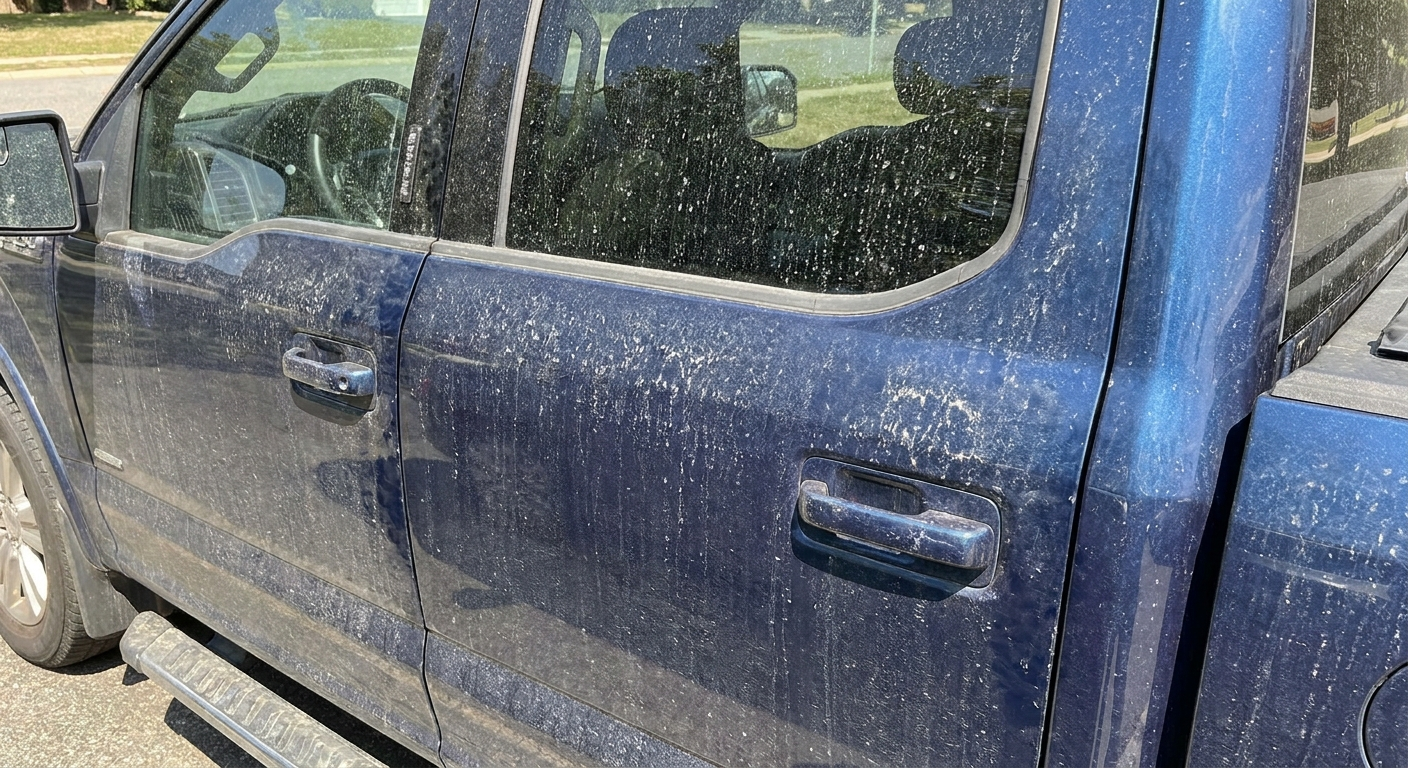
Those chalky white marks aren't dirt. They're calcium, magnesium, and whatever else your local water supply decided to bring along for the ride. When water evaporates, those minerals stay behind. And the longer they sit, the harder they stick. If you're using tap water and letting your truck air-dry, you're practically inviting trouble.
The Deposits Bond Faster Than You Think
Hard water doesn't play fair. The minerals in it can actually fuse with your truck's clear coat, especially in hot weather when evaporation happens fast. That's not just a surface stain — it's a chemical reaction. Once those deposits settle in, regular soap won't cut it. You'll need something stronger, and even then, you're looking at extra elbow grease.
Different surfaces react differently too. Glass tends to show spots more visibly, but paint takes the real damage. Over time, repeated mineral buildup can dull your finish and make your truck look older than it is. And if you're washing in direct sunlight? You're accelerating the whole process.
Why Your Soap Stops Working
Ever notice your truck wash soap barely lathers anymore? That's hard water messing with the chemistry. When minerals mix with detergent, they reduce its cleaning power — sometimes cutting it in half. You end up using twice as much product for half the results.
Here's what happens when you wash with hard water:
- Soap scum forms on the surface instead of rinsing clean
- Cleaning agents can't penetrate grime as effectively
- You're left with a filmy residue that attracts more dirt
- Streaks appear no matter how many times you rinse
- The finish feels rough even after a full wash
Scrubbing Harder Isn't the Answer
When spots won't budge, most people just scrub harder. Bad move. Aggressive scrubbing with the wrong materials can scratch your clear coat or crack your glass. Mineral deposits are tough, but your paint isn't invincible. Once you've introduced scratches, you've created new places for dirt and minerals to hide.
Microfiber towels help, but only if they're clean and you're using the right technique. Circular motions with heavy pressure? That's how you end up with swirl marks. Light, straight passes work better — but only if the deposits haven't already etched in. If they have, you'll need a dedicated remover, not just muscle.
Prevention Beats Damage Control Every Time
The smartest move is stopping mineral deposits before they form. That means changing how you wash and dry your truck. Letting water air-dry is the fastest way to guarantee spots. Drying by hand with a clean towel immediately after rinsing cuts the problem off at the source.
If your water source is the issue, fix it upstream. Portable deionizers and inline filters aren't expensive, and they remove the minerals before they ever touch your truck. Some wash setups include spot-free rinse systems that use purified water for the final pass. That alone can eliminate most of your headaches. For marine applications facing similar mineral deposit challenges, explore our marine services for professional cleaning solutions.
What Actually Works When Deposits Set In
Once the damage is done, you need more than soap. Dedicated water spot removers use mild acids or chelating agents to break down mineral bonds without harming your paint. Vinegar solutions work too, but test them first — some finishes react poorly to acidic treatments.
Here's what you'll want in your arsenal:
- A pH-balanced water spot remover safe for automotive finishes
- Clay bars for embedded contaminants that won't rinse off
- Microfiber applicators to avoid introducing new scratches
- Distilled water for a final rinse if you can't filter your supply
- Quick detailer spray for touch-ups between full washes
Protective Layers Keep Minerals From Sticking
Wax and sealants aren't just for shine. They create a barrier that makes it harder for minerals to bond directly to your paint. A good coat of wax means water beads up and rolls off instead of sitting there evaporating. That's less contact time for minerals to do their thing. If you're looking for reliable protection options, check our in-stock inventory for protective products.
Ceramic coatings take it further. They're harder, last longer, and offer serious hydrophobic protection. Water slides right off, taking most contaminants with it. If you're in an area with notoriously hard water, ceramic might be worth the investment. It won't make you invincible, but it'll cut your maintenance time in half. You can explore warranty options through our Wet Spot warranty program for added peace of mind.
Timing Matters More Than You Think
The longer deposits sit, the worse they get. Wash your truck in the shade, not in direct sun. Heat speeds up evaporation and makes minerals bond faster. If you can't avoid sunlight, work in sections and dry as you go.
Monthly washing is bare minimum if you're dealing with hard water. Weekly is better. And if you notice spots forming between washes, hit them with a quick detailer spray before they have time to etch in. Waiting until your truck looks filthy just makes everything harder.
When to Bring In a Pro
Some stains are beyond DIY fixes. If you've got etching that won't respond to cleaners, or if your paint looks hazy no matter what you try, a professional detailer can assess the damage. They've got tools and compounds you don't — including polishers and correction products that can remove surface imperfections without going too deep.
Here's when it's time to call in help:
- Mineral deposits have visibly etched your clear coat
- DIY products aren't making a dent after multiple attempts
- Your truck's finish looks dull or oxidized
- You're seeing swirl marks or scratches from previous cleaning attempts
- You want a ceramic coating applied correctly the first time
What Your Water Source Tells You
Not all water is created equal. Municipal supplies vary wildly in hardness depending on your location. Coastal areas, desert regions, and places with older infrastructure tend to have harder water. If you're on well water, it's almost guaranteed to be loaded with minerals unless you've installed a whole-house softener.
You can test your water hardness with a simple kit from any hardware store. Anything above 120 PPM is considered hard, and you'll start seeing deposits. Above 180 PPM, you're in serious territory. Knowing your number helps you decide whether filtration is worth it or if you're better off using commercial wash bays with treated water. For specialized cleaning needs, you can find the right equipment through our parts finder tool.
The Spots You Ignore Today Cost You Tomorrow
Mineral deposits aren't just ugly — they're compounding the problem every time you wash. Each new layer makes the next one stick harder. Each spot you leave behind becomes a magnet for more buildup. We've seen trucks come in looking like they haven't been washed in months when the owner swears they wash weekly. That's what happens when you're washing with hard water and no strategy. Learn more about our experience handling tough mineral deposit situations.
Your truck doesn't need to look like that. Fix your water, fix your process, and fix the damage before it gets worse. The tools exist. The knowledge is here. The only question is whether you're willing to put in the work upfront instead of fighting the same battle every weekend. If you need professional guidance, don't hesitate to contact us for expert advice.
Let’s Get Your Truck Looking Its Best
We know how frustrating stubborn mineral deposits can be, but you don’t have to tackle them alone. Let’s work together to restore your truck’s shine and keep those hard water spots from coming back. Contact us today to get expert help and solutions tailored to your needs.
‹ Back
Recent Posts
-
What Causes White Mineral Buildup on Boat Fixtures?
July 10, 2026
-

-
-
-
Is Hard Water on Your RV Leaving White Stains Behind?
April 24, 2026