




By using our website, you agree to the use of cookies as described in our Cookie Policy
Is Hard Water on Your RV Leaving White Stains Behind?
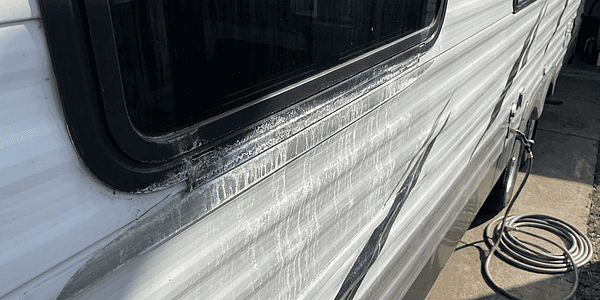
Most RV owners think those white streaks are just part of the deal. Wash your rig, dry it off, move on. But those chalky marks aren't harmless — and if you're ignoring them, you're setting yourself up for bigger headaches. Hard water doesn't just ruin your exterior shine. It creeps into fixtures, clogs lines, and leaves a mineral trail that gets harder to clean the longer you wait.
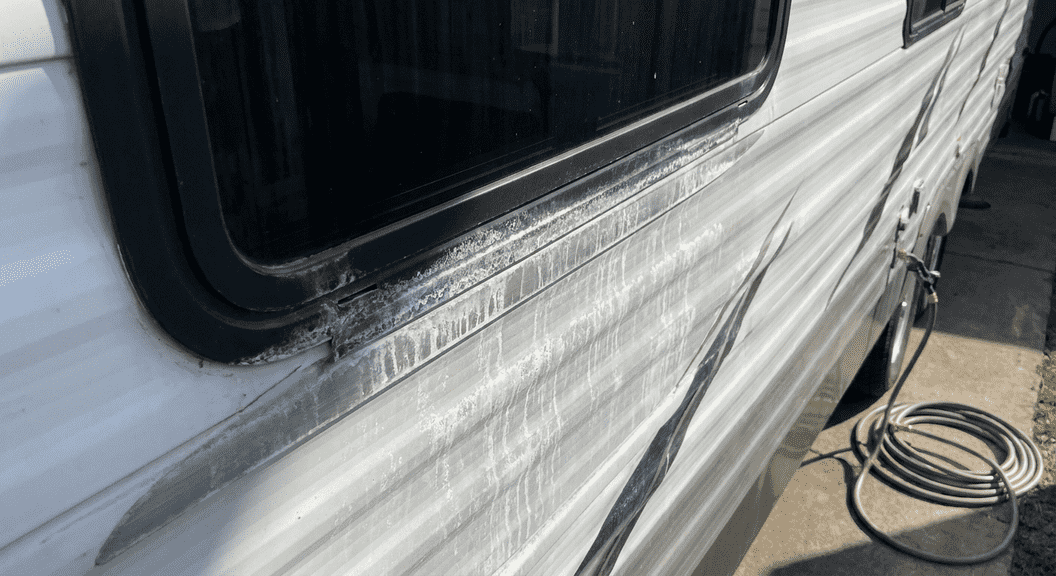
So here's what matters. If you're traveling through areas with mineral-heavy water, that's unavoidable. Just don't pretend those deposits will disappear on their own. Every surface needs attention. Every stain needs a strategy. And every prevention step should be rooted in stopping buildup before it becomes a restoration project — not just hoping it'll rinse away next time.
Minerals Stick Around After the Water Leaves
Hard water carries calcium and magnesium in every drop. You hook up to a new campground, fill your tank, spray down your rig — and when that water evaporates, the minerals stay put. They don't vanish. They bond to glass, metal, fiberglass, whatever's in their path. The result? A cloudy white film that dulls your finish and makes your RV look like it's been sitting neglected for months.
The higher the mineral content, the worse the problem gets. Some regions have water so hard it leaves visible streaks after a single rinse. Others build up slowly, but the damage compounds. Either way, the residue isn't cosmetic. It etches into surfaces over time, making removal tougher and leaving permanent marks if you let it sit too long.
The Damage Goes Beyond What You See
White stains on your windows are annoying. But hard water doesn't stop at appearances. It infiltrates your plumbing, coats your water heater, and reduces flow through faucets and showerheads. We've seen RVs with lines so clogged they needed full replacement — all because mineral buildup went unchecked for too long.
Here's where that damage shows up most:
- Exterior surfaces collect chalky residue that dulls paint and oxidizes finishes
- Glass and acrylic windows develop cloudy spots that won't come off with standard cleaners
- Showerheads and faucets lose pressure as scale blocks the openings
- Water heaters work harder and fail faster when coated with mineral deposits
- Appliances like washing machines and dishwashers suffer reduced efficiency and shorter lifespans
Why Drying Fast Matters More Than You Think
Water doesn't leave stains while it's wet. The problem starts when it dries. Every droplet that evaporates on your RV leaves behind a microscopic mineral deposit. Multiply that by hundreds of droplets, and you've got visible streaks. Let those streaks accumulate, and you've got a bonded layer that resists scrubbing.
Timing is everything. If you dry surfaces immediately after washing or rinsing, you remove the water before minerals have a chance to settle. A microfiber towel does the job. It takes minutes. But skip that step, and you're looking at hours of elbow grease later — or worse, permanent etching that no cleaner can touch.
Softeners and Filters Stop the Problem at the Source
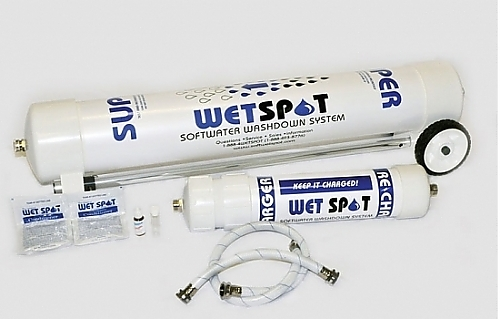
Want to avoid stains altogether? Treat the water before it touches your RV. A portable water softener pulls calcium and magnesium out before they reach your plumbing or exterior. These units aren't expensive, and they pay for themselves the first time you avoid a clogged line or a stained windshield.
Filters help too, especially if you're dealing with moderate hardness. Some RV owners keep distilled water on hand for final rinses — it's mineral-free, so there's nothing left behind when it dries. That extra step might feel excessive until you see how clean your rig stays without constant scrubbing.
Removing Stains That Already Set In
Caught the problem too late? You're not out of options. Hard water stains respond to acidic treatments, which dissolve mineral bonds without damaging underlying surfaces. The key is using the right product for the material you're cleaning — what works on glass might scratch fiberglass, and what's safe for chrome could dull aluminum.
Here's what actually works:
- White vinegar breaks down calcium and magnesium without harsh chemicals — spray it on, let it sit, then wipe clean
- Baking soda paste tackles stubborn spots when combined with gentle scrubbing
- Commercial descalers handle heavy buildup faster, but check compatibility with your RV's finish
- Lemon juice offers natural acidity for lighter stains and leaves a cleaner scent than vinegar
- Clay bars remove bonded residue from painted surfaces without scratching
Where RV Owners Lose Ground
Ignoring the issue until it's obvious is the biggest mistake. By the time stains are visible from ten feet away, they've already etched into your surfaces. Prevention takes minutes. Removal takes hours. Replacement costs real money.
Another common slip? Using the wrong cleaners. Abrasive compounds scratch acrylic windows. Alkaline soaps react with minerals and make stains worse. If you're guessing, you're risking damage. A little research or a quick call to a detailing pro saves you from compounding the problem.
Maintenance Beats Restoration Every Time
Consistent care keeps hard water from becoming a crisis. Rinse your RV after every trip through a mineral-heavy area. Wipe down fixtures weekly. Run a descaling solution through your water heater twice a year. These aren't glamorous tasks, but they're the difference between a rig that looks new and one that looks neglected.
If your water source changes frequently, test the hardness before you hook up. Simple test strips show mineral levels in seconds. When hardness spikes, adjust your approach — use a softener, dry faster, or rinse with filtered water. Flexibility beats assumptions every time.
When DIY Stops Being Worth It
Some buildup goes too deep for household remedies. If you've got etched glass, clogged lines, or stains that won't budge after multiple treatments, bring in someone who knows what they're doing. Professional detailers have tools and compounds you can't buy at the hardware store — and they know how to use them without wrecking your finish.
A pro also helps you:
- Identify which surfaces are salvageable and which need replacement
- Apply commercial-grade descalers safely without damaging seals or trim
- Restore oxidized paint and polished metal that's been dulled by mineral exposure
- Set up a maintenance schedule that matches your travel patterns and water sources
Clean Water, Clean Rig, No Excuses
Hard water isn't optional when you're on the road. But the damage it causes absolutely is. You've got softeners, filters, cleaners, and techniques that stop stains before they start — or remove them before they become permanent. There's no reason to let mineral buildup win when the solutions are this straightforward.
Taking control of your water quality isn't about perfection. It's about staying ahead of the problem so your RV looks the way it should — clean, maintained, and ready for the next adventure. If you need help restoring your rig or want to explore professional marine services, a quick conversation can save you hours of frustration. Whether you're looking for genuine replacement parts or want to review options from our current inventory, we're here to help. You can request a detailed quote, ask for more information, or simply reach out directly. Because the last thing you want is to spend your downtime scrubbing away stains that never had to happen in the first place.
Let’s Keep Your RV Looking Its Best
We know how frustrating hard water stains can be, but you don’t have to tackle them alone. Let’s work together to protect your RV and keep it shining trip after trip. If you’re ready for expert help or just want to talk through your options. Contact us today—we’re here to make sure your next journey starts spotless.
‹ Back
Recent Posts
-
What Causes White Mineral Buildup on Boat Fixtures?
July 10, 2026
-

-
-
-
Is Hard Water on Your RV Leaving White Stains Behind?
April 24, 2026